
Apartment living has its own set of comforts- it comes with benefits like a security guard, friendly neighbors, and passenger/ goods elevators that show up when you need them the most. However, behind those freshly painted walls, many apartment projects conceal electrical wiring issues. And who do you think is the most common sufferer? Obviously, appliances with high load electrical wire, such as motors, ovens, air conditioners, geysers, heaters, etc.
Have you ever wondered why your brand-new oven behaves like it’s on a hunger strike? The most probable cause is the poor wiring that was taken for granted in the electrical planning.
Now, let’s talk about where and why things go wrong, and how to correct them.
High-Load Appliances Need More Than Normal Wiring
Heavy-duty appliances are like weight-lifters; they carry heavy electrical loads every day. Compared to lights or fans, these air conditioners, water heaters, induction stoves, and room heaters draw a lot more electricity. For such appliances, if you choose traditional wires, you will be like asking a small child to lift a 10 kg rice sack on its back. It might move, but at the pace of a snail, and finally collapse.
This is why selecting a safe electrical wire for AC and heater, and other high-load appliances is crucial for both performance and safety.
Why Normal House Wiring Fails for High-Load Appliances
Choosing the right high load electrical wire is a conscious decision, as standard wiring in many apartments is intended only for low to moderate loads, such as lighting, charging devices, TVs, and ceiling fans. When a high-load appliance suddenly joins the low-load team, trouble is sure to follow. Wires start to overheat, insulation gradually deteriorates, voltage drops become casual, circuit breakers trip often, and in the worst cases, insulation melts, posing a serious fire hazard.
Common Wiring Mistakes Made for ACs and Heaters
To speak plainly, most wiring issues are not noticeable. They are stealthy, silent, and only get caught when something goes wrong.
Among the most prevalent ones in apartment complexes are:
- Using too small wires for heaters and air conditioners.
- Sharing the power plug point of the AC wiring with other outlets.
- Sidestepping the importance of earthing.
- Using low-cost, uncertified wires to save money.
- Considering ‘all copper wires perform the same.
These shortcuts can significantly shorten appliance lifespans and increase safety risks related to heater wiring.
What Makes an Electrical Wire Safe for High-Load Usage
Choosing the right electrical wiring for the heater and other high-load appliances follows the same logic as choosing the right sportswear. Both sportswear and electrical wiring seem ordinary, yet they play a crucial role in performance, comfort, safety, and long-term use. Opting for the right sportswear enables comfortable, injury-free movement, while properly rated wiring for high-load appliances, such as heaters, prevents overheating, power outages, and fire risks. In both situations, the correct decision operates secretly in the background, but the incorrect one makes its presence felt right away, turning dependability into danger and comfort into risk.
Why PVC Insulated Copper Wires Are Preferred
PVC insulation provides:
- Outstanding resistance to heat
- Fire-retardant characteristics
- Robust electrical insulation
- Extended lifespan of service
PVC insulation is one of the safest choices for large electrical loads when paired with premium copper conductors, hence it is preferred more in contemporary apartment buildings.
AC, Heater & High-Load Appliance Wiring: What to Look For
It’s worthwhile to pause and perform an instant wiring fact check before installing an air conditioner or heater. Just ask yourself a few general queries- are there dedicated circuits for the appliance? Is the wire gauge apt for a continuous load? Is proper earthing in place? Is the insulation assessed to withstand high temperatures?
If you are looking for the best electrical wire for AC and heater in India, always choose certified, extensively tested, and application-specific wires that are designed to handle the load. Choosing the best wire for AC isn’t about chasing brand names; it is about clicking the right specification boxes on safety measures and real-world suitability for Indian conditions.
Why Cheap Wires Are Risky for High-Load Appliances
In appearance, cost-effective, sub-standard wires look the same as certified wires. They confidently promise ‘copper inside’ but typically have low-quality, thinner conductors and weaker insulation. They wear out much faster, causing frequent power outages, making air conditioners and heaters overheat more easily, and thus turning a small upfront saving into a much bigger expense through maintenance, replacements, or even safety threats that no one will ever wish to encounter.
Why Choosing the Right Wire Manufacturer Matters
As much as the wires differ in quality, so do the manufacturers behind them.
A certified manufacturer ensures:
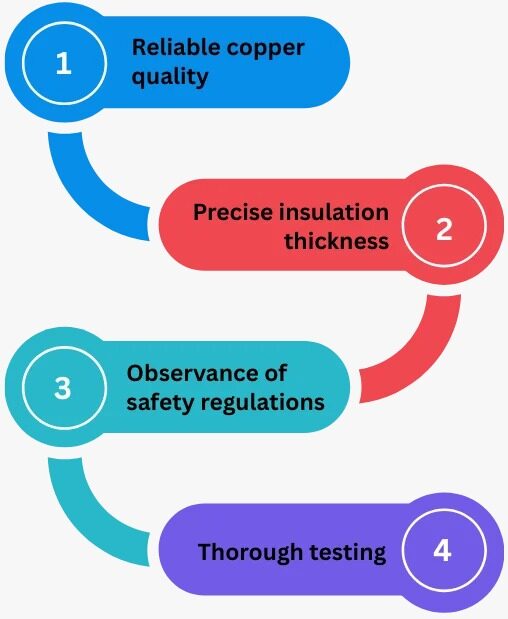
- Reliable copper quality
- Precise insulation thickness
- Observance of safety regulations
- Thorough testing
Wiring in apartment projects is frequently overlooked and undervalued until something goes wrong. From the beginning, high-load appliances require caution, preparation, and the right kind of supplies. Home safety, appliance longevity, and failure prevention depend on selecting appropriate high-load electrical wires and ensuring they are correctly supplied and installed in consultation with reliable manufacturers. More than just today’s performance, selecting the best manufacturer for large apartment projects involves ensuring the long-term safety of individuals residing there. In effect, reputation, certification, and demonstrated performance are more important than discounted price when it comes to electrical wiring for heater and air conditioner installations.
Frequently Asked Questions (FAQ)
1. What sort of electrical wire is ideal for heaters and air conditioners?
PVC-insulated wires for ACs and heaters are designed to withstand continuous electrical loads without the risk of excessive heat buildup. These copper wires, sized to the correct gauge, are durable, heat-resistant, and safe to use.
2. Are high-load appliances compatible with standard home wiring?
No, the continuous current that high-load appliances draw is too much for a normal home wiring to handle. Standard home wiring can damage insulation, create voltage variations, or lead to overheating, resulting in fire hazards.
3. Why is PVC insulation considered apt for high-load wiring?
PVC-insulated wires are fire-retardant, long-lasting, and heat-resistant; therefore, they are a safe electrical wire for high-load appliances.