
Renovation is a curious visual treat. When you add new paint, decorative lamps, and stylish furniture, your home starts to look like the digital notice board you dreamt of a couple of years ago. While everyone talks about the colours of the walls, the type of flooring, and the cupboards in the diner, there is something less exciting hidden within the walls, and that’s electrical wiring.
Sadly, that veiled portion can create visible issues. While rewiring your home, a minor mistake can cause the lights to flicker, lead to short circuits, or stop the appliances from functioning. Think how scary it would be to finish a beautiful renovation and then have your refrigerator, TV, or washing machine start acting like they’re in a horror movie.
This section talks about how electrical errors during renovations can damage appliances and how to avoid them.
Renovation Improves Aesthetics and Comfort
People often renovate their homes to make their living more comfortable, smart, and systematic, which may include air conditioning units, smart lighting, water heaters, dishwashers, home theatres, and high-powered domestic appliances.
Though these upgrades make life convenient, they also consume more electricity. A house built two decades ago might not be able to handle the design of today’s smart appliances. If the renovation focuses only on the superficial appearance and skips the electrical planning, issues start to build quietly behind the walls. That’s exactly where electrical wiring for home renovations becomes very important.
Renovation should make you happy, comfortable, and stylish, and not lead to shock bills incurred on appliance maintenance. Homeowners can ensure that their renovations improve the home both inside and outside the walls by paying attention to electrical planning, using high-quality materials, and avoiding common wiring mistakes. Once the wiring is in place, everything else in the house works well.
Mistakes in Wiring, Load Planning, and Cable Selection Can Damage Expensive Appliances
During renovation, electricians may need to extend wiring, add new circuits, replace worn-out cables, and upgrade the distribution boards. If any of these steps go wrong, appliances can be damaged by power surges, overheated wires, or an unreliable power supply. Hence, using poor quality electrical cables or undersized wires affects their performance.
Appliances are like athletes; they look dull when they don’t have enough power, and they are super enthusiastic when they have a steady flow of energy.
Why Modern Appliances Are Sensitive to Electrical Issues
Today’s domestic devices are integrated with advanced electronic components, including sensors, circuit boards, and microprocessors; they need voltage stability and good grounding. Even minor electrical problems can lead to circuit board failures, motor overheating, and shortened lifespan.
Electrical Mistakes Often Overlooked in Renovations
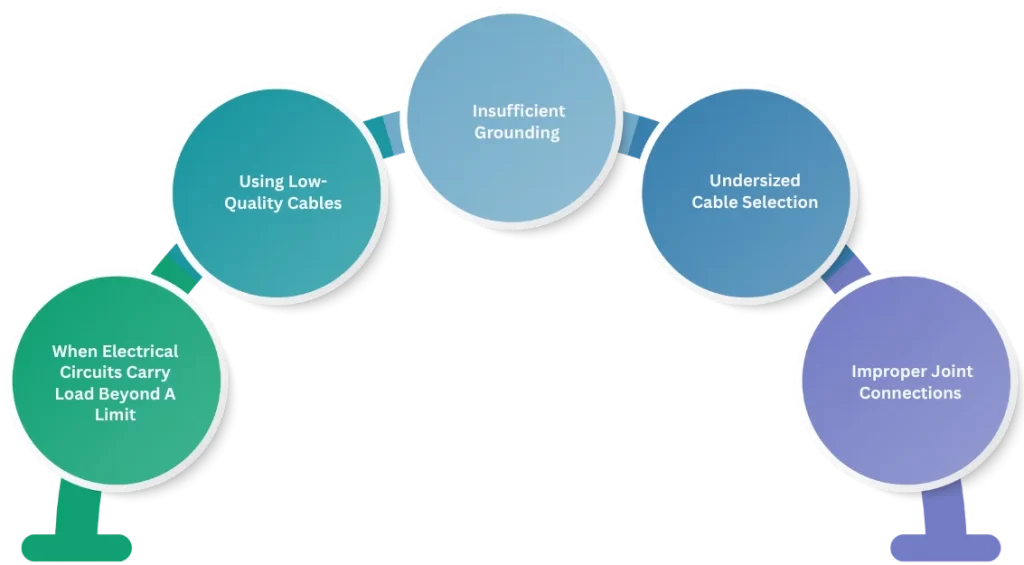
1. When Electrical Circuits Carry Load Beyond A Limit
When new appliances are added to existing ones, without upgrading the circuits, the wires may overheat. Example: Your kitchen wiring can power a mixer and a refrigerator simultaneously. When you add a microwave and a dishwasher, the circuit becomes overloaded.
2. Using Low-Quality Cables
Selection of a degraded cable for your home renovation electrical wiring is much like choosing cheap tyres for a sports car. Low-quality wires may heat up fast, deteriorate quickly, and deliver inconsistent power.
3. Insufficient Grounding
Inadequate earthing can lead to electrical shocks, appliance damage, voltage spikes, surges, and short circuits
4. Undersized Cable Selection
An undersized cable can cause heat buildup, insulation damage, and electrical failure.
5. Improper Joint Connections
Loose wire joints behind walls can cause resistance, heat, and voltage changes. Over time, this can silently hurt delicate appliances.
Mistakes That Damage Appliances
Appliances may not fail immediately due to faulty wiring. Over time, they create electrical stress due to heat build-up in appliance motors, an irregular power supply, short circuits, and power surges.
Top-Grade Wiring Matters
High-end wiring helps maintain stable power flow and safe current distribution and extends the life of appliances.
Electricians often recommend PVC-insulated wires, such as those from Vilvex Cables, because they are durable, heat-resistant, consistent, and moisture-resistant.
Best Practices to Prevent Appliance Damage
- Plan electrical load: Before renovation, calculate the total electrical load of all your appliances.
- Upgrade old wiring: If your home is more than 20 years old, replace old wiring
- Use high-end materials: When it comes to wires and cables, always buy quality materials, for they keep both appliances and occupants safe.
Install Proper Earthing
Ensure that grounding systems are tested and properly positioned. For that, hire certified electricians. Electricians who are experts in their field know about cable sizing, load balancing, and safety rules.
Signs Your Renovation Wiring May Be Faulty
Initially, electrical problems don’t show up in a big way, but whisper before shouting. Such symptoms are gestures of explosions.
Better to keep an eye on these signs:
- Lights that flicker intermittently
- Frequent tripping of circuit breakers
- Switches with a burning smell
- Unusual heating up of appliances
- Sparks coming from plug points
Such signals indicate faulty wiring and can cause damage to appliances.
Using High-Quality Materials for Long-Term Protection
Using durable, high-quality materials in the electrical system is one of the simplest ways to protect home appliances from damage.
Products like Vilvex Cables PVC insulated wires are examples of high-quality wiring that offer:
- Strong, long-lasting insulation
- Better resistance to heat
- Dependable power distribution
For homeowners buying new appliances, good wiring is not just about electricity; it’s also a way to prevent financial bleeding in the future, because it’s cheaper to replace wiring once than to replace appliances many times.
FAQs
- Can electrical mistakes damage appliances during renovation?
Yes, renovation mistakes such as inadequate earthing and circuit overloading can contribute to faulty wiring appliance damage.
- Why would you recommend PVC-insulated wires for home renovation?
Wires with PVC insulation provide strong, long-lasting insulation, are heat-resistant, maintain the stability of power flow, and make home renovation electrical wiring safer.
- Are Vilvex Cables suitable for residential renovation projects?
PVC-insulated wiring solutions from Vilvex Cables are safe for appliances and are long-lasting for residential renovation projects.