
In industrial environments, electricity is the backbone of operations because every process, from heavy machinery to modern automated systems, plays a vital role. Every electrical system depends on a stabilised power supply, and in this context, with continuous operations and complex wiring networks, the risk of electrical failure is significantly higher.
In this regard, industrial electrical risks encompass not only power outages but also overloads, equipment damages, fire hazards, and short circuits.This is where the occupancy of industrial electrical protection systems plays a major role.
Major components like isolators, Miniature Circuit Breakers (MCBs), switchgear, and high-quality safe industrial wiring solutions work accurately to eliminate electrical risks. Occupancy of these systems advances the prevention of electrical failures and enhances industrial electrical safety.
Now let’s break down how each component functions and integrates to deliver a protection strategy for a safe and efficient industrial environment.
What are Isolators and How Do They Protect Systems?
An electrical isolator switch is a safety device for ensuring complete de-energisation of circuits for maintenance or service. The operational efficiency of isolators is different from circuit breakers, because they function only when the system is offline.
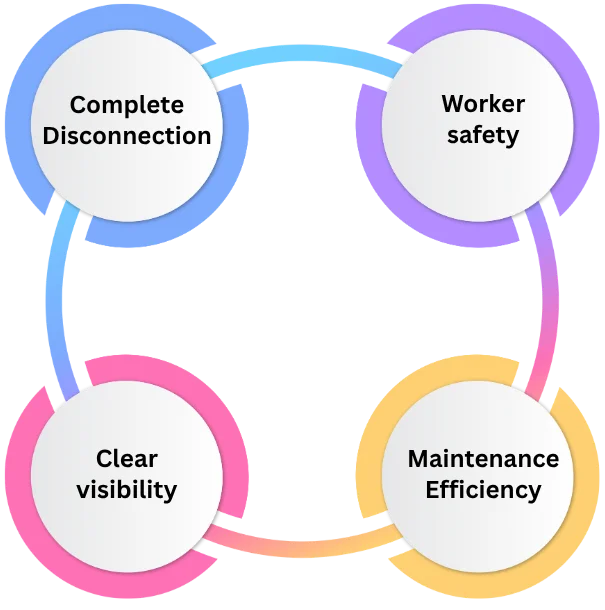
Key functional components of isolators are:
- Complete Disconnection
Isolators function in a completely disconnected state, which ensures zero current flow during maintenance.
- Worker safety
Another salient aspect of isolators is that they prevent accidental rise of energy in circuits, which eventually leads to ensuring worker safety.
- Clear visibility
An electrical isolator provides clear visibility and a physical indication that the circuit is open to create security.
- Maintenance Efficiency
Securing a quality-driven efficiency in maintenance is a major functional component that allows for safer inspection and repair of equipment.
In an industrial environment, the installation of isolators is secured alongside heavy machinery, control panels, and high-voltage equipment. When the system is shut down, they create and ensure a safer and more secure working environment.
An electrical isolator matters because:
- They eliminate small residual current
- Ensures industrial electrical safety
The Role of MCBs in Industrial Electrical Safety
MCBs or Miniature Circuit Breakers are different from isolators, because they are used actively for protecting systems during operations. In this context, the occupancy of isolators is focused on safety during maintenance, but in the case of MCB for industrial use, the focus is solely on the protection of systems.
Let’s look into how MCB works:
- Overload Protection
MCBs ensure protection against overloading by tripping when there is an exceeding safety limit of current.
- Protection in Short Circuit
During sudden current or electricity spikes, the MCB functions to instantly cut off to deliver short circuit protection.
- Automatic Reset
MCBs can automatically reset after an electricity fault clearance, which significantly contributes to reducing downtime.
In this context, MCBs provide proper electrical protection in industries because industrial environments demand electrical stability to reduce any minor faults before their escalation.
A proper integration of MCBs into industrial systems offers:
- System and equipment protection
- Preventing costly damages
- Reduction of fire risks and electrical sparks
- Efficiency and operational continuity
- Cost efficiency and reduction of replacement expenses
MCBs stand as a defence force in high-demanding industrial environments and help reduce electrical faults instantly and efficiently for securing operational quality.
Importance of Switchgear in Industrial Systems
As MCBs and isolators play a vital role in securing safety in industrial environments, switchgear also plays a critical role.
Switchgear is a combination of fuses, circuit breakers, and electrical disconnect switches. The efficiency of switchgear is used for controlling, protecting, and isolating electrical equipment and acts as a control centre of industrial electrical systems. These ensure industrial electrical safety by ensuring efficient power flow while maintaining safety.
The key functional factors of switchgear include:
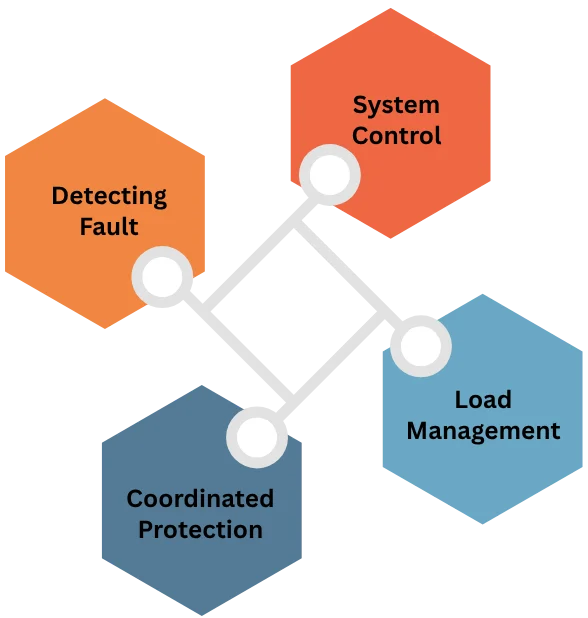
- Detecting Fault
The occupancy of switchgears is used to identify abnormality in electrical conditions.
- System Control
Switgears perform system control by managing power distribution across all units.
- Coordinated Protection
By shutting down only the affected sections and units, switchgears ensure coordinated protection in industrial environments.
- Load Management
The control centre’s efficacy of switchgear balances qualitative electrical demands across systems.
Why Quality Wiring Matters in Industrial Protection
The integration of MCBs, switchgears, and isolators matters in securing safety, and a salient component that secures the efficiency-driven functionality of these systems is quality wiring.
A substandard often leads to:
- Voltage drops
- Heat spike and buildup
- Failure in insulation
- Inconsistent and frequent tripping of MCBs
- Operational downtime
- Equipment failure and reduced lifespan
This identifies that even the most advanced systems like MCBx and switchgears may also fall back in ensuring safety and security due to poor cables. That is why using standardised high-quality cables validates electrical protection and efficiency.
Vilvex Cables: Securing Complete Protection
Wiwieng stands as a foundation for electrical protection and efficiency. High-quality cables build a safer industrial environment and ensure the operational quality of electrical systems for safety.
Therefore, a safe industrial wiring solution must offer:
- High conductivity for a secure power distribution
- Strong insulation for preventing leakage
- Heat resistance for heavy-load industrial environments
- Durability for operational quality
The seamless integration of these solutions in quality wiring ensures effective protection of the industrial electrical system, and Vilvex cables play a vital role by ensuring these wiring solutions are implemented efficiently.
Vilvex cables ensure complete system protection by:
- Consistency in voltage levels
- Supporting heavy electrical loads
- Enhances efficiency and protects systems
- Systems reliability and enhanced safety
- Better coordination across systems and longevity
The implementation of quality wires and cables advances systems’ efficiency and functional quality of MCBs, switchgears, and isolators for responding accurately to false triggers and electrical faults.
Invest efficiently with Vilvex cables to ensure system quality and safety.
FAQs
- What is the role of an isolator in industrial systems?
The role of an isolator in industrial systems is to ensure a safe environment by eliminating any risk of accidental current flow.
- How does an MCB protect industrial equipment?
MCBs protect industrial equipment by automatically shutting down power when an overload or short circuit happens. This prevents damage and ensures faults do not spread.
- Can poor cables reduce the effectiveness of switchgear and MCBs?
Yes, poor quality cables can cause overheating and insulation failure, which can lead to frequent tripping and inaccuracy, affecting the performance of MCBs and switchgears.