One of the most important operational aspects of modern offices is electricity, because every IT firm is obliged to use smart devices and air conditioning systems. The reliable performance of these systems is ensured with the insulation of the best wiring cables in offices.
In this context, IT firms validate the need for better electricity channelling. In this sense, the insulation of poor-quality electrical cables generates a spike in electricity bills.
Improper wiring and implementing low-quality electrical cables for offices contribute to significant downtime and, moreover, affect the overall electrical expenditure.
Understanding a Real Case Scenario of an Electrical Bill Spike in a Kochi IT Firm
A medium-sized IT firm in Kochi noticed that there was a significant spike in electricity bills. The range came around 22% than usual, which caused confusion that led to checking on each. And it has been identified that offices in Kochi have spiked their electricity bills by about 22% than usual.
AC usage was the same, no computer services were added, and office hours remained unchanged, yet the electricity spike was higher, and finally, while checking the electricity wiring systems, it led to the complete answer to the issue.
The insulation of cheap and thin cables significantly contributed to the cable overheating even at a normal loading. An adequate amount of voltage drop due to bad cables was visible, which led to an electricity spike. And this scenario isn’t just random, but happens in most IT offices in India.
Why the Quality of Cables Crucially Affects Electricity Bills
One of the common ideas about electrical cables is that they are just a channel for carrying energy. What they lack in their knowledge is how the insulation of quality cables drives an accountable effect in each infrastructure.
The energy consumption of cables is transferred into different aspects, and through the use of low-quality cables, they generate significant problems.
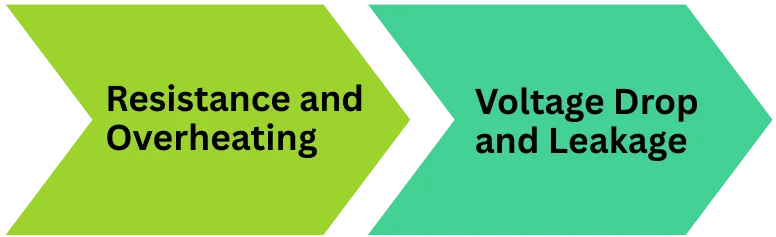
1. Resistance and Overheating
Low-quality cables are often integrated with a thinner conductor diameter and inferior copper, which leads to an increase in resistance and the wasting of energy more than usual.
The low-conductor purity, undersized cables, and heavy load with weak thermal performance contribute to overheating, thus resulting energy waste.
2. Voltage Drop and Leakage
The significant drop in voltage is a result of low-quality cables, with an increase in current draw and higher power consumption, which results in noticeable change in energy usage.
The substandard insulation of cables leads to energy leakage through, continued trickle losses and a higher risk of short circuits, which results in major energy loss.
What is the Technical Breakdown of Energy Loss and Why Cables Overheat
Let’s look into the hidden details of the technical sides of cables that generate energy loss and overheating.
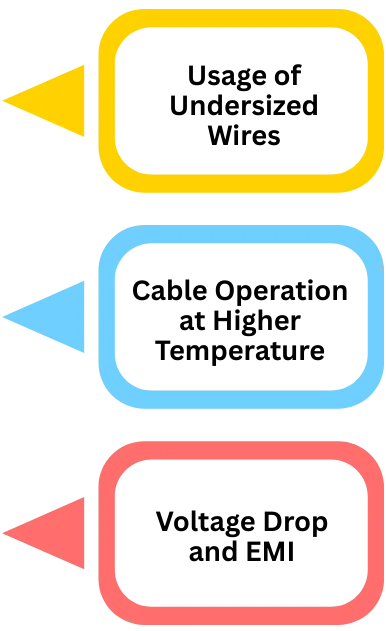
1. Usage of Undersized Wires
The major issue is the usage of undersized cables at offices because they lack in handling energy load, and the actual conductor area would be lower, which becomes a major issue for office systems.
2. Cable Operation at Higher Temperature
A cable temperature rise leads to higher resistance, an increase in energy consumption, and faster insulation degradation, causing dramatic energy loss.
3. Voltage Drop and EMI
The poor shielding in EMI causes data loss in IT setups and disturbance in sensitive electronics. At the same time, voltage drop draws motors to use more energy, inefficient running of computers and servers, and UPS systems cycle more frequently.
What Are the Hidden Costs of Using Unbranded Cables for Offices
The indication of using low-quality and unbranded cables to save money has had a drastic effect in offices, which leads to a chain reaction with energy loss.
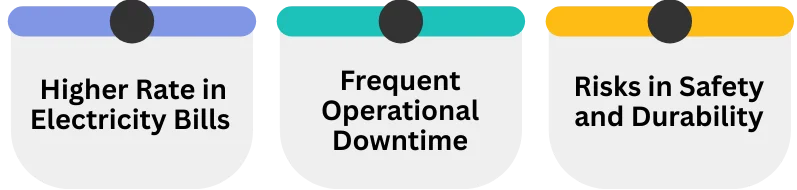
1. Higher Rate in Electricity Bills
The usage of unbranded cables leads to higher resistance, more wasted energy, and ultimately higher current bills.
2. Frequent Operational Downtime
The fluctuating supply of energy is frequent in low-quality cables and can cause damage to AC compressors, SMPS of computers, and UPS batteries, which ultimately leads to operational downtime.
3. Risks in Safety and Durability
The integration of low-quality cables affects safety by causing short circuits and fire hazards. At the same time, voltage fluctuation contributes to a lower life span of office infrastructure.
How to Reduce Electricity Bill in Office with Good Quality Cables of Vilvex
The usage of high-quality cables like FR-LSH cables for offices mitigates energy consumption, and Vilvex actively contributes to the overall reputation of infrastructure.
- High-quality cables benefit from building low resistance, low energy consumption, and minimal power leakage.
- The FR-LSH insulation provides safer current flow, reduced leakage, and low heat build-up, which generates zero leakage.
- The integration of quality cables contributes to durability and stable voltage drives for efficient system performance and lower operational downtime.
Conclusion
A quality-engineered electrical cable generates higher competence and lower operational downtime in offices. The integration of low-quality cables and wires increases energy consumption and leakage. Vilvex cables contribute to generating high-purity copper conductors, FR-LSH insulation, energy-efficient, and long-term reliable cables that are perfect for office infrastructure.
Advance your office cables from energy spike to high-quality performance with Vilvex cables.
FAQ
- How do poor-quality-cables increase my office electricity bill?
The usage of poor-quality cables contributes to higher energy consumption and leakage, which causes your office electricity bill to spike above usual.
- Does the wrong cable size affect energy consumption?
Yes. The thin cable size affects energy consumption as it lacks the ability to consume power, leading to higher resistance.
- How do I know that my office wiring is insufficient?
Frequent fluctuation in device performance, flickering lights, and an electricity bill spike are the visible reasons that your office wiring is inefficient.
- Does switching to high-quality cables reduce electricity bill spikes?
Yes, switching to quality cables reduces electricity bills due to low voltage drop, low resistance, and energy consumption.
- Are Vilvex cables suitable for office infrastructure?
Absolutely, Vilvex cables are perfect for office settings due to FR-LSH cables, high-purity copper, and energy-efficient manufacturing.