Remember the day you checked the wiring behind your walls last time? Normally, we notice it only when the electrical fittings stop working. The most common causes of electrical fire in the home are either poorly maintained wiring or outdated cables, and the scary part is that the early signs of their wear and tear often go unnoticed.
Suppose your house is more than 2 decades old, and the wiring has never been inspected; then, it’s high time you pay attention to its age or quality. In places where climate, dust, or voltage fluctuations increase the risks, electrical failures remain a significant concern because a minor flicker can grow into a rapid fire.
This blog teaches you how to identify the current condition of your wiring and resolve any problems before they become a dangerous issue.
Why You Shouldn’t Ignore Aging Electrical Wiring
The wiring of age-old houses differs significantly from that of new modern homes. The wiring of early electrical systems was never designed to bear the pressure that modern dwellings carry. Today, you will hardly find any house without Refrigerators, ACs, geysers, motors, mixers, ovens, washing machines, and many other electrically charged appliances- all consuming more power than earlier times’ wiring.
Here are some warning signs of electrical fire :
- Deteriorated insulation
- Weak joints
- Circuits beyond safe load limits
- Exposed connections
Turning a blind eye to these issues not only increases your repair costs but also puts your family, and probably the entire house, at stake. As the wiring deteriorates, it cannot withstand the accumulated heat and begins to show minor warning signs, but the situation can escalate rapidly.
Defective wires, poor installation, or delayed maintenance are the primary causes of electrical fire in the home. The best way to keep your home safe is to stay alert.
The Silent Hazards Lurking in Old or Poor Quality Wiring
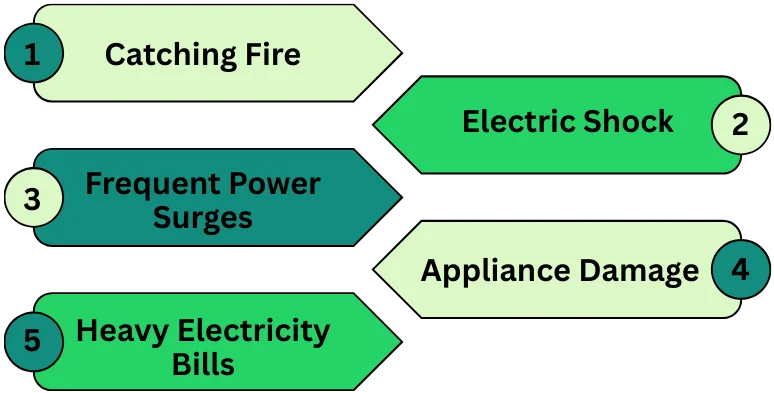
- Catching Fire
Defective insulation behind walls can cause flickering at any time, posing serious threats. Overheating of wires and loose connections pave the way for easy ignition.
- Electric Shock
When you accidentally come into contact with exposed live wires with cracked insulation, it becomes extremely hazardous.
- Frequent Power Surges
Modern appliances demand more power. The old or degraded wiring cannot handle the heat load, which results in mini-surges that can damage electronic items over time.
- Appliance Damage
If the power inflow in wiring is irregular, your refrigerator, AC, or TV may fail early.
- Heavy Electricity Bills
Inferior wiring, careless use of power, and unnoticed energy leakage gradually drain energy- an unseen expense most homeowners realise much later.
Crafted for superior electrical fire safety in India, Vilvex FR-LSH PVC cables limit halogen discharge, withstand excess heat, and create a powerful barrier against fire-related hazards.
7 Alerts Your Wiring Demands Urgent Addressing
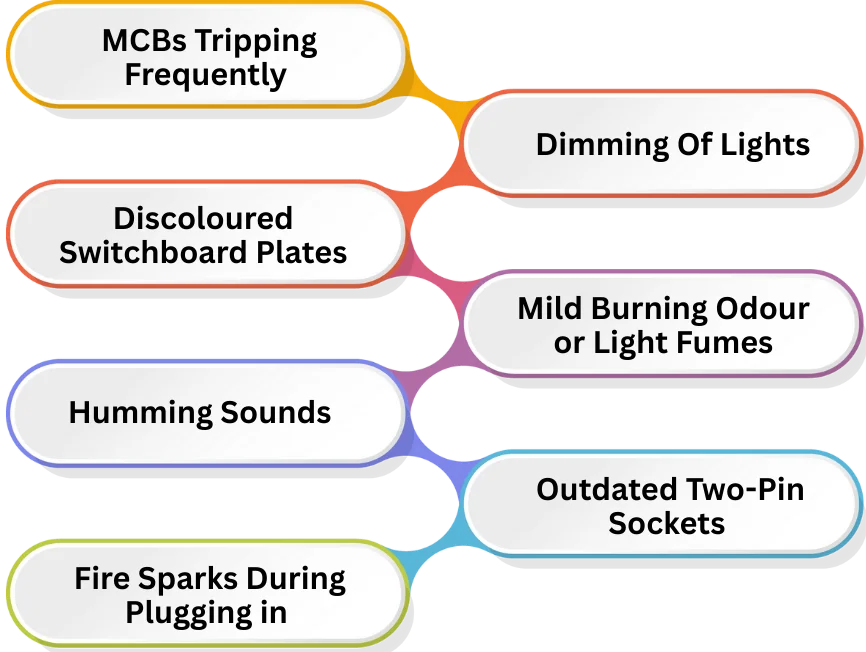
1. MCBs Tripping Frequently
When you see the breakers tripping frequently, do not ignore; it may be a warning sign that your wiring is either overloaded or on the verge of deteriorating.
2. Dimming Of Lights
You run a heavy appliance, and suddenly the lights flicker- this signifies a voltage drop or inadequate wiring connections.
3. Discoloured Switchboard Plates
As years pass, the switchboard plates begin to lose their color, which is a visible warning of overheating and the need for replacement.
4. Mild Burning Odour or Light Fumes
At times, you may experience a burning smell or observe light smoke surrounding the switchboard. This is a caution to turn off the main plug point and seek the help of a qualified electrician.
5. Humming Sounds
Sometimes, you can see a vibration combined with a buzzing sound from inside the switchboards or sockets, indicating loose wiring that can take a dangerous turn at any moment.
6. Outdated Two-Pin Sockets
You can hardly see the old two-pin sockets in today’s market. They are no longer in the industry as they are incapable of handling the load of modern appliances. Homes using such sockets now have a greater chance of electrical risks.
7. Fire Sparks During Plugging in
Very often, you can see sparks from worn-out wiring or old sockets, which is a clear-cut indication that the power is about to shut down.
Methods to Inspect Your Electrical Wiring Safely
Worn-out wires, discoloured switch plates, loose cables, and burn marks are some of the signs of faulty or old wiring. The first thing you need to ensure is the proper functioning of your switchboards. To do this, turn the switches on and off, check for sparks, heat, or unusual sounds. If so, seek the help of a professional electrician immediately.
While running high-power appliances like motors, ACs, or iron boxes, observe if the lights are flickering or the sockets are getting hot. If so, note that it’s because of stressed wiring. Wiring older than 20 years needs proper evaluation or replacement. For issues outside your purview, contact a certified electrician to assess the insulation quality and load capacity, as well as circuit mapping and earthing. Voltage fluctuations are widespread in rural areas of India; therefore, periodic inspections are necessary for maintaining a fire-safe environment.
FAQ
1. How do I recognise if my home’s wiring needs replacement?
Heated switchboard plates, discoloured frames, frequent breaker trips, flickering lights, burning smells, sparks, and odd buzzing sounds are some of the clues.
2. If worn-out wiring is ignored, what consequences will you have to encounter?
The major risk is fire. Worn-out wiring heats quickly, and if this issue remains unaddressed, it can easily lead to fire.
3. Suggest the right time to replace home wiring?
For houses that are 15-20 years old, an electrical inspection is recommended every 5 to 6 years. Replacement should be based on the wiring quality, load capacity, and insulation resistance.
4. How Smartly Does PVC cabling Fit-In Today’s Home Standards?
PVC cabling is ideal for today’s modern homes. Variants such as Vilvex FR-LSH PVC cables are fire-retardant and heat-resistant, releasing very low smoke in addition to offering enhanced security during electrical faults.