
Here’s a real-life situation to think about.
You have just sunk into your easy chair with a black coffee after a tiresome day. Your legs lazily spread, fan above you spinning sluggishly, radio humming in the background, and suddenly, crick! The lights flicker, and a strange burning smell flows through the room.
At first instance, everyone turns out to be a spot detective. ‘Anyone left the A.C. on? ‘Did you switch on the heater? Is the motor working? ‘Check the mixie…. And so on. But sometimes, sidelining all these doubts, the real crook may be silently watching and giggling behind the walls: guess who? Yes, the poor-quality electrical wiring. And to be realistic, defective wires are like lousy roommates; they deteriorate, create problems, and eventually leave you with damage that you never expected.
In Indian homes, with the growing number of electrical fire hazards, understanding wiring safety is essential for every homeowner.
Growing Number of Electrical Fire Accidents in Indian Homes
Electrical appliances such as refrigerators, air conditioners, water heaters, motors, mixers, and other charging devices are an inevitable part of every contemporary home, and these devices consume more electricity than ever before. Even today, some homes rely on cheap, low-quality, old, and outdated wires that cannot handle modern electrical loads, and the outcome? Overheating, sparks, circuit tripping, and, in worst cases, house fires.
Electric fire hazards are especially dangerous because they often start unseen, inside walls or ceilings. Faulty wiring doesn’t announce itself politely, like a leaking pipe; it heats up quietly until you sense something burning. That’s the reason why you need to invest in quality wiring, even at an extra cost, because it safeguards your life, home, and property.
What are poor-quality electrical wires?
All wires are not created equal. Poor-quality wires are made from cheap conductor material and have thin insulation. In appearance, they may look perfect, but they fail to meet the basic safety standards.
Typical features of low-quality wires:
- Thin or weak insulation that melts easily
- Low purity of copper
- Bad heat resistance
- Inconsistency in thickness
- Uncertified material
In the short term, they may save a little money, but the risks can be enormous in the long term, because electricity is unforgiving, unarguable, non-negotiable, and undebatable.
How Poor Quality Wires Cause Fire
So let’s address the big question: how do poor-quality wires even cause fire in the first place? It usually occurs in stages.
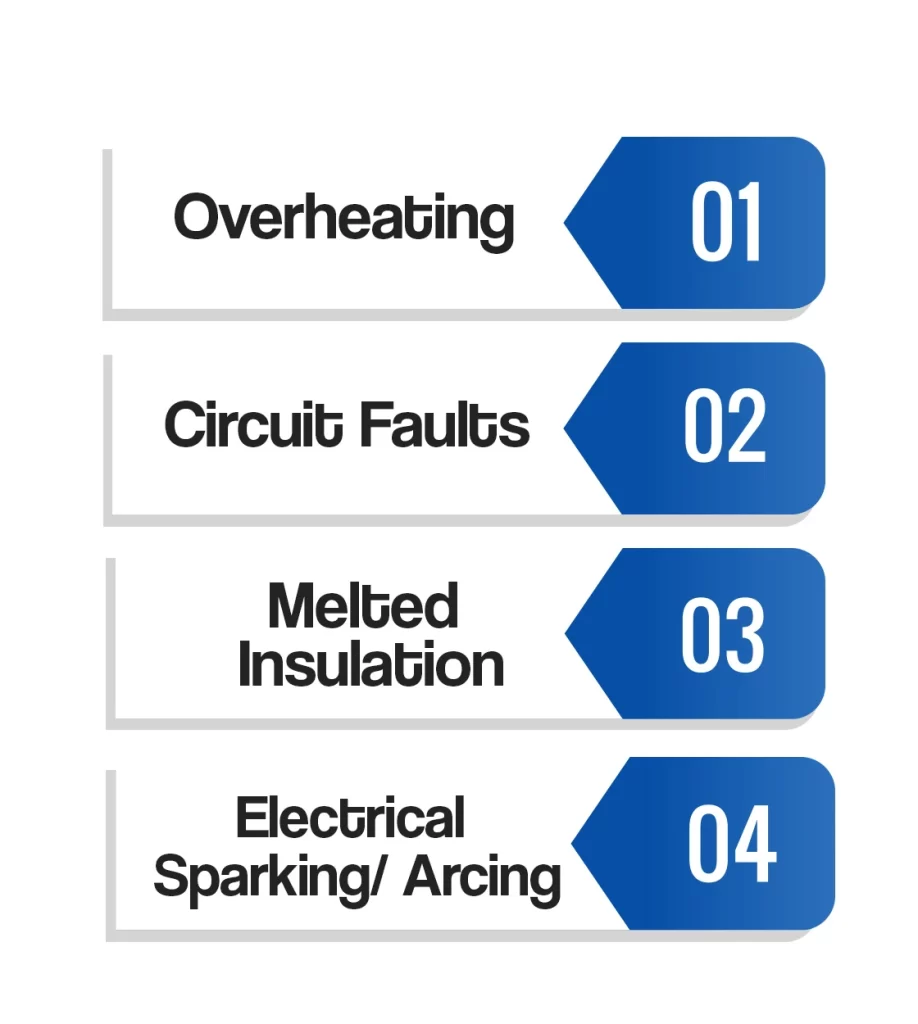
1. Overheating
Cheap wires are not good at carrying electrical current; as the wire gets hotter, resistance also increases, which may catch fire eventually.
2. Circuit Faults
If the cables are cheap, their insulation deteriorates, and the power running through can produce sparks and intense heat, leading to fire hazards.
3. Melted Insulation
Low-quality insulation materials melt faster at high temperatures; they can ignite nearby materials such as wood, curtains, furniture, or plastic in seconds.
4. Electrical Sparking/ Arcing
Arcing is the spark that passes through damaged parts of wire; it produces intense heat, which can cause a fire within the walls before anyone takes note, and that’s why flame-retardant electrical wires are becoming more popular in today’s homes.
Warning Signs of Unsafe Wiring
Most often, before danger smells, your house gives warning signals, but it is seldom taken seriously until the situation is dramatic enough to be shared in a WhatsApp group.
These warning signs include repeated tripping of the circuit breaker, flickering lights, burning smell from the sockets, crackling sound from the walls, warm or stained outlets, electric shocks when touching appliances, and sparks when plugging in devices. If any of these occur intermittently, do not delay inspection; electricity has a strong faith in surprise endings.
Risks of Ignoring Poor Wiring
Ignoring unsafe wiring is like ignoring chest pain while continuing to eat fried snacks every day. It’s technically possible and strategically questionable.
The dangers include:
- Fire accidents from overheating or short circuits.
- Voltage drop on electrical appliances.
- Electric shocks from exposed wiring.
- Higher electricity bills from low-performance wires.
- Constant repairs, emptying the pocket.
Why High-Quality PVC-Insulated Wires Are Safer
High-quality PVC-insulated wires are safer; they provide protective armor around the electrical conductors, withstand heat, resist moisture, have improved durability, limit the propagation of flames in electrical failures, reduce the risk of short circuits, and enhance safety.
Why Vilvex Cables Are the Right Choice
Vilvex Cables are designed to improve home wiring safety through premium-quality insulation, strong conductivity, heat-resistant performance, enhanced durability, and dependable protection against electrical fire hazards.
One of the smartest things homeowners can do for long-term safety is to use dependable fire-resistant electrical wires, because at the end of the day, walls can always be repainted, furniture can be replaced, and appliances can be upgraded, but saving lives should never be dependent on ‘cheap alternatives.’
How to Prevent Electrical Fire at Home
Practical tips :
- Always use certified, high-quality wiring products
- Never overload power sockets
- Change old or worn-out wires immediately
- Conduct periodical electrical inspections
- Move flammable materials away from switches and outlets
- Recruit qualified electricians for installation work
- Select modern fire-resistant electrical wires
And most importantly, don’t treat wiring decisions like bargaining for vegetables at the market, because who knows, sometimes ‘lowest rate’ may turn out to be the ‘highest risk’. Ultimately, you should feel safe at home. Good wiring may not be visible, but its protection is lifelong and priceless.
FAQs
Degraded wires melt fast; they heat up quickly, causing short circuits that can ignite surrounding materials in seconds. A poor wiring system is one of the key factors behind electrical fire hazards.
Faulty wiring shows signs like a buzzing sound, burnt smell, blinking lights, sparks from outlets, frequent breaker trips, and stains on the switches.
Their heat-resistant insulation helps in stabilising the power flow, preventing electrical leakage, short circuits, overheating, and thus lowering the risk of electrical damage and fire.